
Skin care
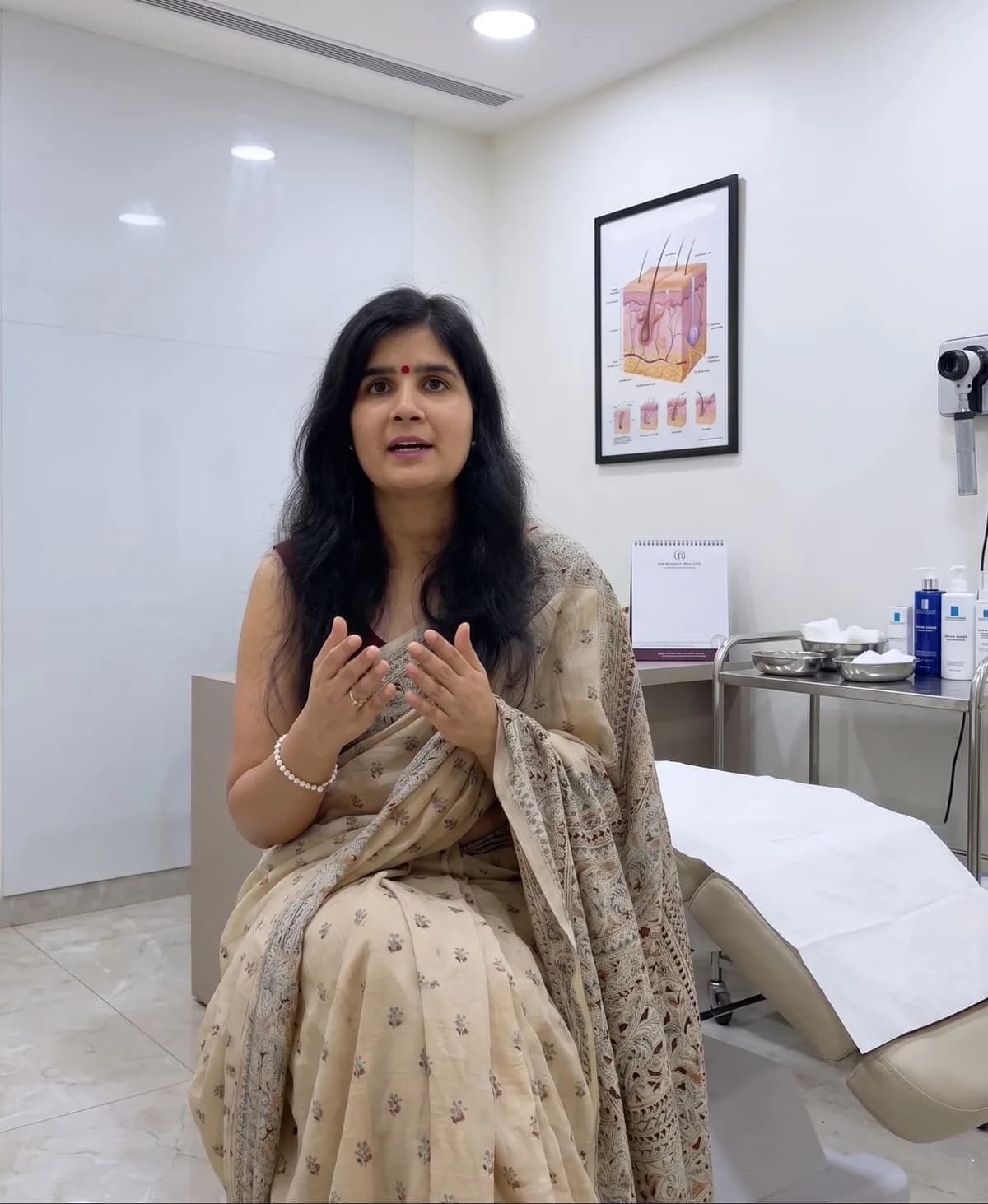
Dr. Neha Shukla
MD (Gold Medalist) · Dermatologist
Medical dermatology and doctor-led aesthetic treatment — acne, hair fall and pigmentation treated as medical problems, not packages.
4.8★1,163 Google reviews
Est. 2010 · Near Atria Mall, Sargasan Circle, Gandhinagar
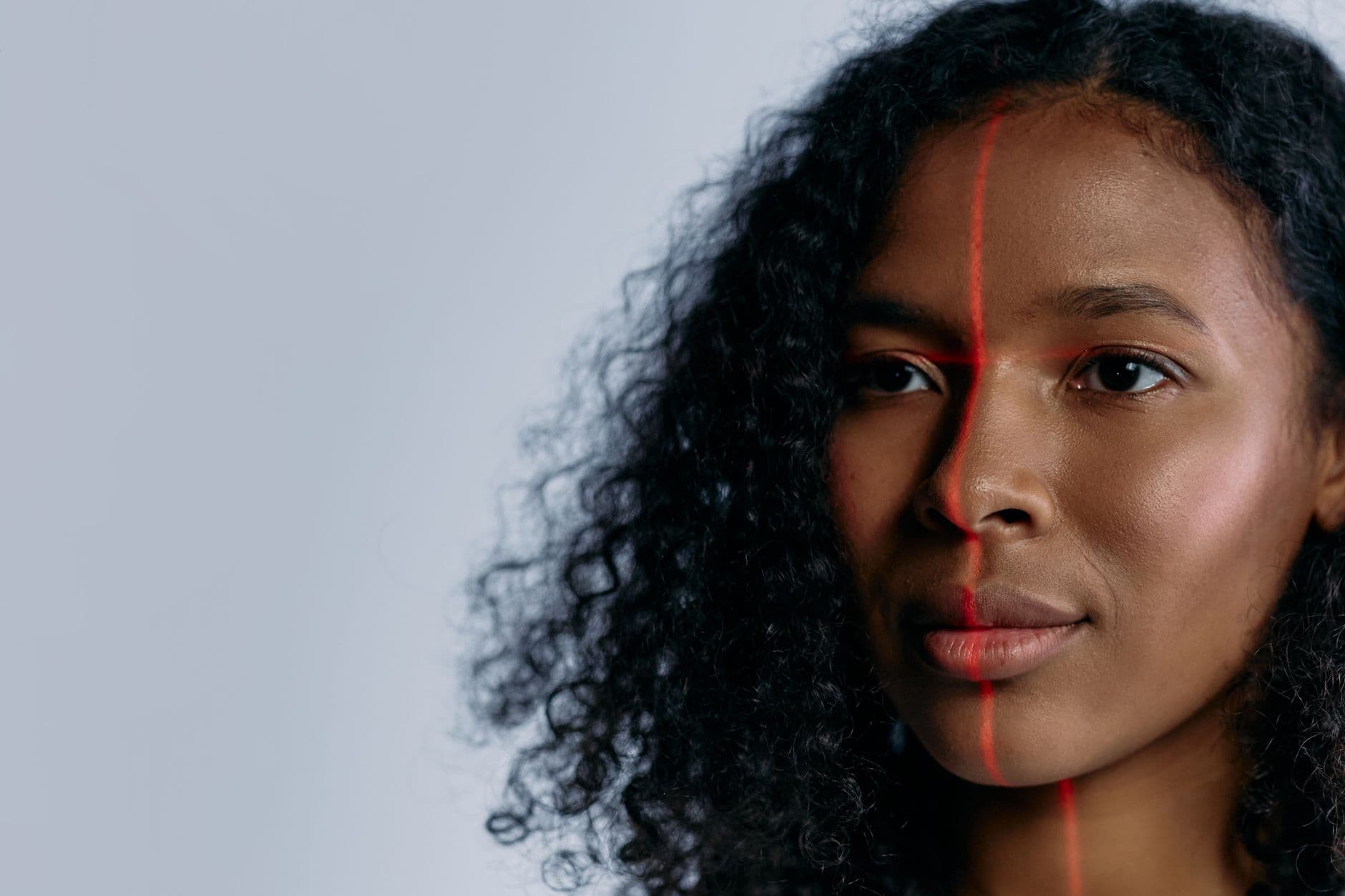
Low-level laser and red-light devices are thought to stimulate follicle activity through light energy rather than injections or medication. It's non-invasive and low-risk, but it's a slow, ongoing adjunct — not a fast or primary fix for significant hair loss.
Scalp LLLT (Low-Level Laser Therapy) — doctor-administered at the hospital
Low-level laser therapy uses red or near-infrared light at wavelengths thought to stimulate cellular activity in hair follicles, without heat, needles or medication. Devices range from in-clinic sessions to take-home caps or combs, and unlike most of the procedures on this page, LLLT's benefit depends on regular, ongoing use over months rather than a defined course that finishes.
It's worth being realistic about where LLLT sits. The evidence for it in mild to moderate pattern hair loss is reasonable as a supportive measure, but it is gentler and slower than PRP, GFC or medical treatment, and it is not a serious option on its own for significant hair loss. It suits people looking for a low-effort, low-risk addition to their plan, or those who want something to use consistently between other scalp procedures — not people looking to replace medical treatment or injectable options with it.
As with everything on this page, the starting point is a diagnosis. LLLT does nothing for telogen effluvium caused by a resolving trigger, and it will not correct a deficiency or thyroid problem — those are identified and treated directly, and LLLT is added on top where it's appropriate.
Packages & pricing
Priced as in-clinic sessions, or discussed as a recommended home device for ongoing use.
| Area | Course | Price |
|---|---|---|
| LLLT — in-clinic session | Per session | On request — ask on WhatsApp |
| LLLT — in-clinic course | Course, per protocol | On request — ask on WhatsApp |
| Home device — guidance and follow-up | Ongoing | On request — ask on WhatsApp |
Dermatology at this hospital is self-pay. We do not have an insurance facility for skin — neither for aesthetic treatment, which no Indian health policy covers, nor for medical dermatology consultations and courses.
Technology
Suitability
LLLT is a supportive, adjunct therapy. It suits people already under medical management for pattern hair loss who want a low-risk, non-invasive addition, rather than people looking for a stand-alone or fast-acting solution.
The process
Confirming the cause of your hair loss and an honest discussion of whether LLLT is a sensible addition to your plan or unlikely to add much in your case.
Either scheduled in-clinic sessions with a clinical device, or guidance on using a recommended take-home cap or comb consistently, depending on what suits you.
The evidence for LLLT is built on regular, sustained use over months — sporadic use is unlikely to show any benefit.
Progress assessed on standardised photographs alongside the rest of your treatment plan.
Aftercare
Next step
Two taps and your message is written. Dr. Neha's team replies with a time — in English, ગુજરાતી, हिन्दी or मराठी.
Book in three taps
1What is it about?
Pick what it's about and we'll write the message for you.
Questions
In English and ગુજરાતી, because the decision gets made in whichever one you think in.
No. LLLT is a gentle, supportive therapy best suited to mild to moderate thinning as an addition to medical treatment. For significant hair loss it is not a realistic primary answer, and we'll say so rather than sell you a device as a fix.
ના. LLLT એક હળવી, સહાયક થેરાપી છે જે હળવાથી મધ્યમ પાતળા થવા માટે તબીબી સારવારની સાથે વધુ યોગ્ય છે. નોંધપાત્ર વાળ ખરવા માટે તે એકલી કોઈ વાસ્તવિક ઉકેલ નથી, અને અમે તેને ઉકેલ તરીકે વેચવાને બદલે આ સ્પષ્ટપણે જણાવીશું.
Most protocols call for several sessions a week, sustained over months, whether in-clinic or with a home device. The evidence behind LLLT assumes that consistency — occasional use is unlikely to show a benefit.
Yes — it's non-invasive, uses no heat, needles or medication, and has a good safety record. The main limitation isn't safety, it's that on its own it's a modest, slow-acting therapy.
If your hair loss is more than mild, that's unlikely to be enough on its own. It's discussed as part of your overall plan — for some people it's a useful ongoing addition, for others the time would be better spent on PRP, GFC or maintaining medical treatment.
Slowly, if at all noticeable early on — think months, not weeks, and judged on standardised photographs rather than day-to-day impressions.
Results & reviews
Dr. Neha Shukla holds 4.8★ across 1,163Google reviews. Treatment-specific patient stories for this page are being recorded with patients' written consent — see patient stories.
Skin care
MD (Gold Medalist) · Dermatologist
Medical dermatology and doctor-led aesthetic treatment — acne, hair fall and pigmentation treated as medical problems, not packages.
4.8★1,163 Google reviews
Send us a message describing what you would like treated. Dr. Neha's team will tell you what is realistic, and what it costs.
Near Atria Mall, Sargasan Circle, Gandhinagar · Replies in English, ગુજરાતી, हिन्दी or मराठी
Call 096015 65327, message us on WhatsApp, or get directions to Near Atria Mall, Sargasan Circle.