
Skin care
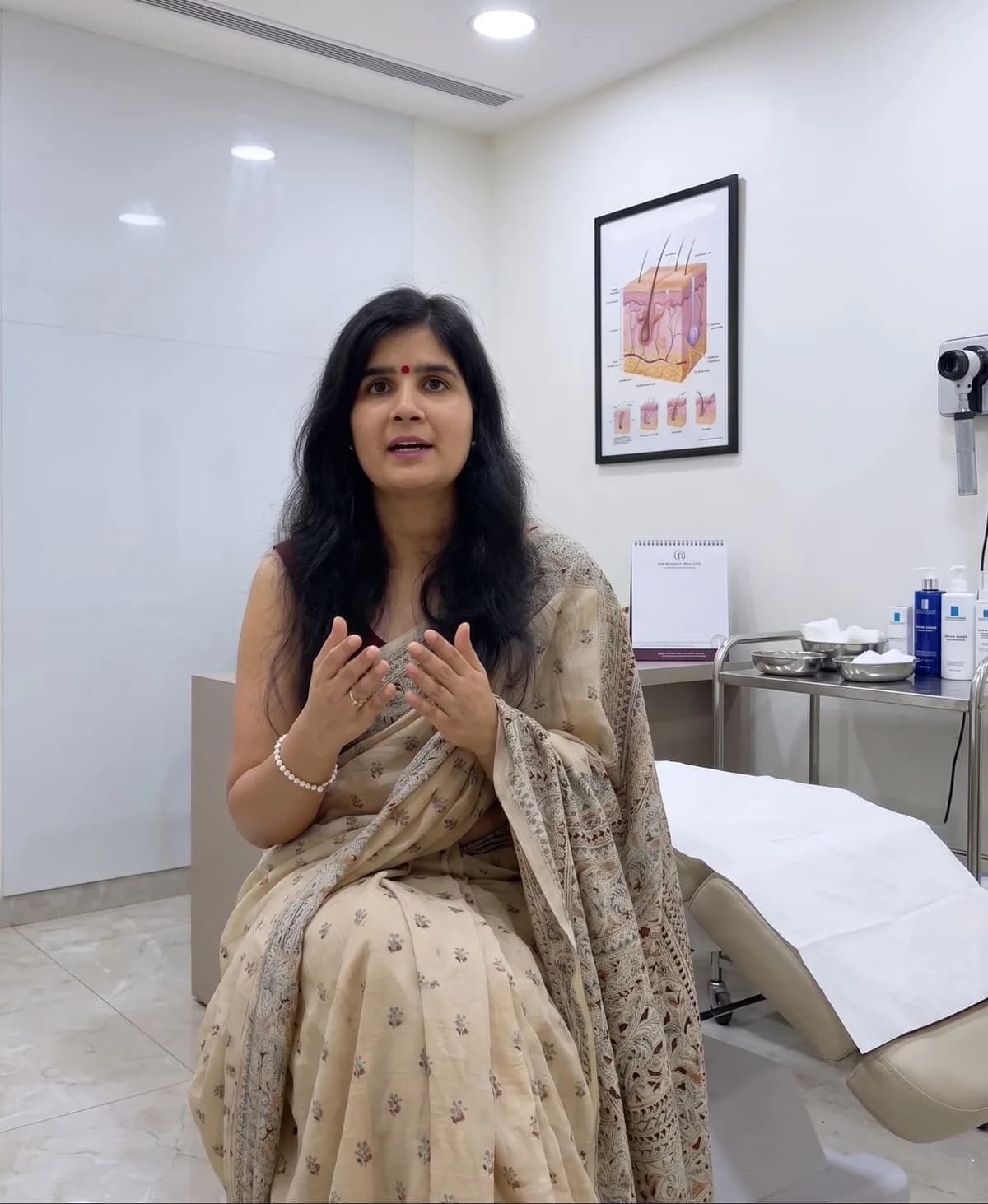
Dr. Neha Shukla
MD (Gold Medalist) · Dermatologist
Medical dermatology and doctor-led aesthetic treatment — acne, hair fall and pigmentation treated as medical problems, not packages.
4.8★1,163 Google reviews
Est. 2010 · Near Atria Mall, Sargasan Circle, Gandhinagar
Rolling, boxcar and icepick scars respond to completely different things. Matching the treatment to the scar is the whole difference between visible improvement and money spent.
Acne Scar Treatment — doctor-administered at the hospital
Acne scarring is a change in the structure of the skin, not a mark on its surface. That is why creams do not fix it: the collagen underneath has either been lost, leaving a depression, or laid down as a tethering band that pulls the surface down.
The first job is to identify what kind of scars you actually have. Rolling scars — broad, shallow, wavy — are usually tethered from below and respond best to subcision releasing them. Boxcar scars, with sharp edges, respond to resurfacing. Icepick scars, narrow and deep, often need a focused approach of their own. Most people have a mixture, which is why a single treatment rarely handles everything.
The realistic goal is substantial improvement across several sessions, not erasure. Anyone promising perfectly smooth skin in one sitting is selling something.
Dermatology at this hospital is self-pay. We do not have an insurance facility for skin — neither for aesthetic treatment, which no Indian health policy covers, nor for medical dermatology consultations and courses.
Suitability
Scar treatment works best when active acne is under control — otherwise new scars form as fast as old ones improve. If your acne is still active, that gets treated first.
The process
Which scar types you have, where, and in what proportion. This determines the combination and the realistic number of sessions.
For tethered rolling scars. A fine instrument releases the fibrous bands pulling the skin down, letting the surface lift. Bruising for several days afterwards.
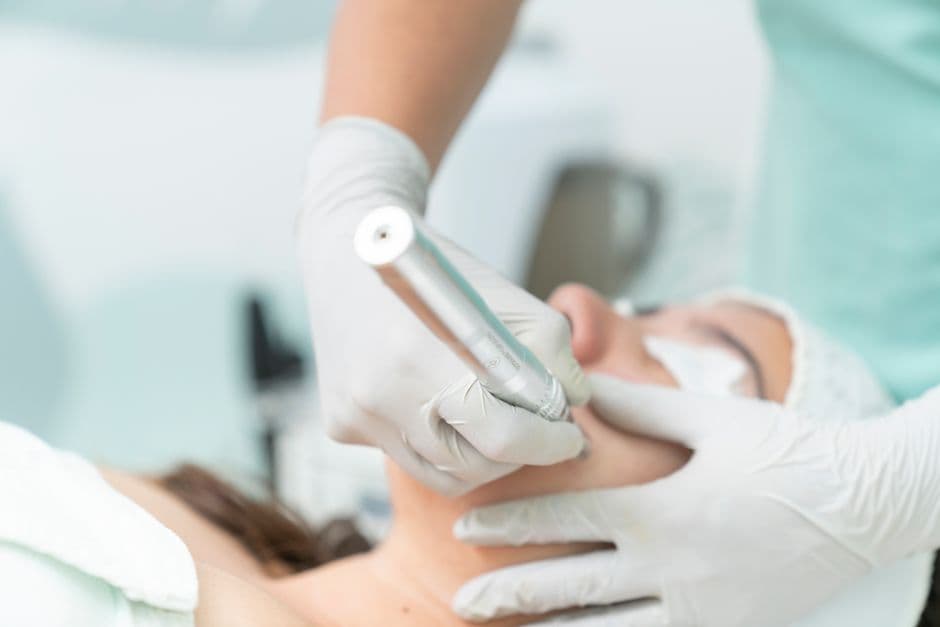
Controlled micro-injury triggers new collagen to fill the depression. The workhorse of scar treatment, with modest downtime — redness for a day or two.
For boxcar scars and overall texture. More downtime than microneedling and requires careful settings on Indian skin to avoid post-inflammatory pigmentation.
Collagen remodelling continues for months after a session. Results are assessed on photographs at set intervals, not by eye in the mirror.
Aftercare
Next step
Two taps and your message is written. Dr. Neha's team replies with a time — in English, ગુજરાતી, हिन्दी or मराठी.
Book in three taps
1What is it about?
Pick what it's about and we'll write the message for you.
Questions
In English and ગુજરાતી, because the decision gets made in whichever one you think in.
Typically four to six for microneedling-based treatment, spaced a month apart, often combined with subcision for tethered scars. You will be given a realistic number after your scars are assessed, not before.
No, and you should be sceptical of anyone who says otherwise. Substantial improvement is achievable — commonly a large reduction in depth and visibility. Complete erasure is not.
Numbing cream is applied beforehand, which makes microneedling and subcision quite tolerable. There is soreness afterwards, similar to sunburn, for a day or so.
Active acne is brought under control first. Treating scars while new lesions are forming means treating a moving target, and some scar procedures are unsafe over inflamed skin.
Results & reviews
Dr. Neha Shukla holds 4.8★ across 1,163Google reviews. Treatment-specific patient stories for this page are being recorded with patients' written consent — see patient stories.
Skin care
MD (Gold Medalist) · Dermatologist
Medical dermatology and doctor-led aesthetic treatment — acne, hair fall and pigmentation treated as medical problems, not packages.
4.8★1,163 Google reviews
Send us a message describing what you would like treated. Dr. Neha's team will tell you what is realistic, and what it costs.
Near Atria Mall, Sargasan Circle, Gandhinagar · Replies in English, ગુજરાતી, हिन्दी or मराठी
Call 096015 65327, message us on WhatsApp, or get directions to Near Atria Mall, Sargasan Circle.