
Eye care
Dr. Chaitanya Shukla
DNB, FICO · Ophthalmic Surgeon
Cataract, retina and glaucoma care in Gandhinagar — with the surgery, the lens choice and the cost explained before you decide.
4.8★570 Google reviews
Est. 2010 · Near Atria Mall, Sargasan Circle, Gandhinagar
Removal is the straightforward half. The technique used to close the gap afterwards is what decides whether it returns.
Pterygium Removal at the hospital
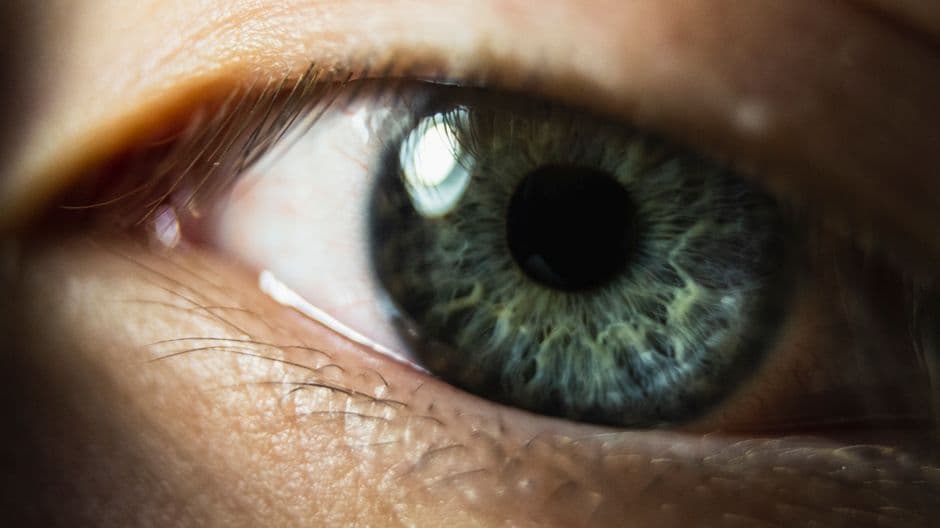
A pterygium is a wedge of fleshy tissue that grows from the white of the eye onto the cornea. It is a response to years of sun, wind and dust — which makes it common in anyone who works outdoors or spends long hours on the road in Gujarat.
Small ones need nothing more than lubricants, sun protection and periodic review. Surgery becomes the answer when the growth reaches towards the pupil, distorts the cornea enough to blur vision, stays persistently red and irritated, or has grown noticeably at successive visits.
The part that matters is what happens after the tissue is removed. Simple excision alone has a high recurrence rate. Covering the bare area with a graft of the eye's own conjunctiva brings that rate down substantially, and it is the approach used here.
Cashless insurance
A photo of your policy card on WhatsApp is enough. We check whether it is one we can settle cashless, what waiting period and lens sub-limit apply, and give you your actual figure before you commit to a date.
Cashless here runs through IFFCO Tokio and covers eye surgery. Other insurers are reimbursement claims, which we help you file.
What to send
Suitability
The process
Measurement of how far the pterygium extends, and whether it is already affecting the corneal shape and your vision. This decides whether to operate now or monitor.
Under local anaesthesia. The abnormal tissue is removed and the bare patch is covered with a small graft of your own conjunctiva taken from under the upper lid — the step that markedly reduces recurrence.
The eye is red, watery and gritty for several days — expected, and it settles. Drops, and a review at day one and week one.
Sunglasses with UV protection, whenever you are outdoors, permanently. The sun exposure that caused it the first time will cause it again.
Next step
Two taps and your message is written. Dr. Chaitanya's team replies with a time — in English, ગુજરાતી, हिन्दी or मराठी.
Book in three taps
1What is it about?
Pick what it's about and we'll write the message for you.
Questions
In English and ગુજરાતી, because the decision gets made in whichever one you think in.
It can, which is why the closure technique matters. Removal with a conjunctival autograft has a considerably lower recurrence rate than simple excision. Consistent UV protection afterwards lowers it further.
No. A small, quiet pterygium that is not growing and not affecting vision is monitored, with lubricants and sunglasses. Surgery is for growths that are advancing, blurring vision or staying inflamed.
Yes, noticeably, for one to three weeks. That is normal healing and it fades. The eye typically looks better than it did before surgery once the redness resolves.
Results & reviews
Dr. Chaitanya Shukla holds 4.8★ across 570Google reviews. Treatment-specific patient stories for this page are being recorded with patients' written consent — see patient stories.
Eye care
DNB, FICO · Ophthalmic Surgeon
Cataract, retina and glaucoma care in Gandhinagar — with the surgery, the lens choice and the cost explained before you decide.
4.8★570 Google reviews
Send us a message with what you have been told so far. We will tell you what the next step actually is — and what it costs.
Near Atria Mall, Sargasan Circle, Gandhinagar · Replies in English, ગુજરાતી, हिन्दी or मराठी
Call 096015 65327, message us on WhatsApp, or get directions to Near Atria Mall, Sargasan Circle.