
Skin care
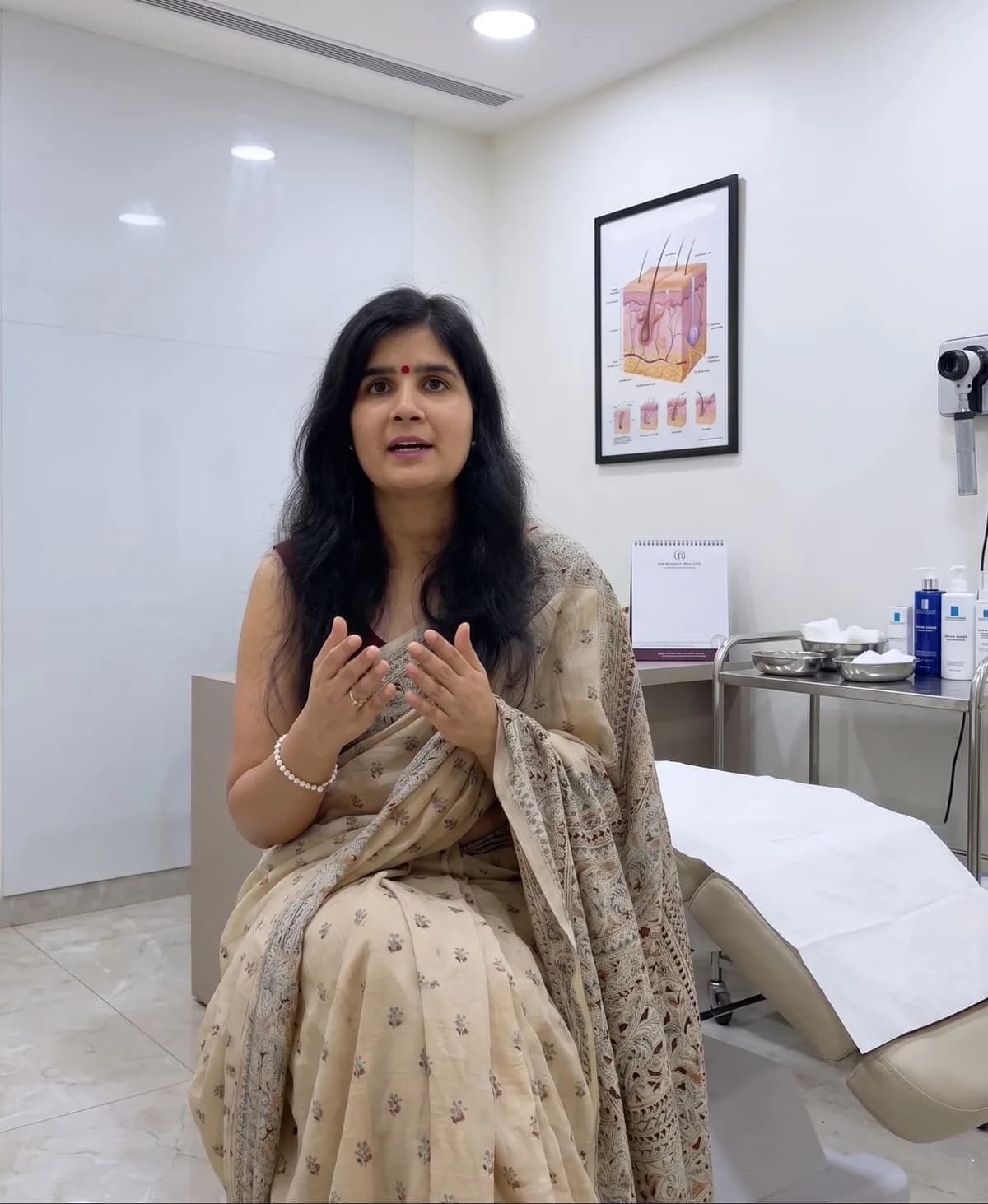
Dr. Neha Shukla
MD (Gold Medalist) · Dermatologist
Medical dermatology and doctor-led aesthetic treatment — acne, hair fall and pigmentation treated as medical problems, not packages.
4.8★1,163 Google reviews
Est. 2010 · Near Atria Mall, Sargasan Circle, Gandhinagar
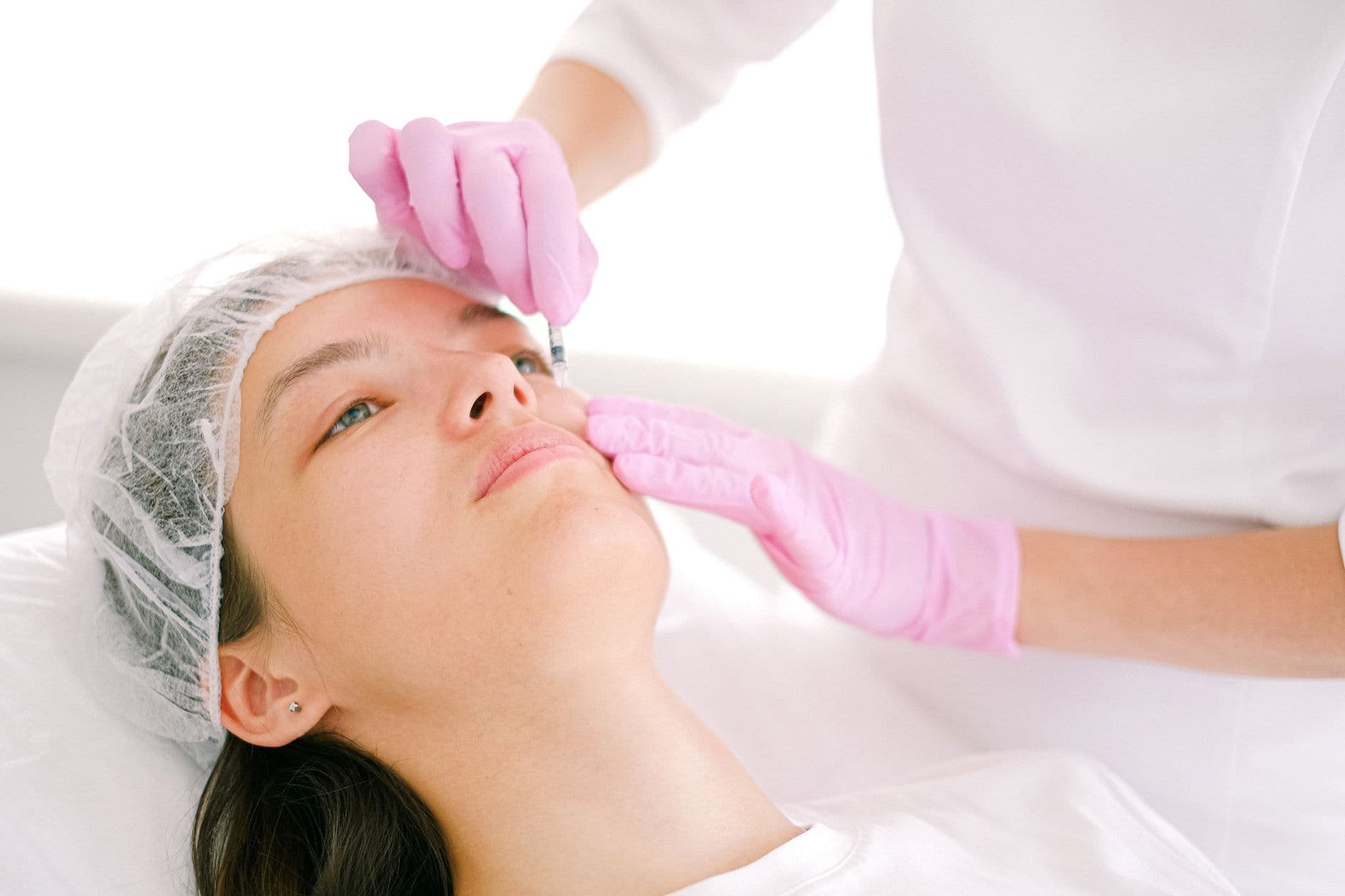
PDRN is an injectable derived from purified salmon DNA fragments, used to support tissue repair and improve overall skin quality. It works on skin condition, not shape or volume — a different job to filler or Botox.
PDRN Therapy (Polynucleotide / Salmon DNA) — doctor-administered at the hospital
Polydeoxyribonucleotide, or PDRN, is a purified extract of DNA fragments, most commonly sourced from salmon, that is injected into the skin to support the body's own tissue-repair signalling. It is used in wound healing in other areas of medicine, and in dermatology it is used cosmetically to support skin quality — hydration, tone and a healthier-looking texture — rather than to add volume or relax muscle.
It is often grouped alongside skin boosters and exosome therapy as a 'skin quality' treatment, distinct from fillers, which restore volume, and Botox, which relaxes muscle movement. People choose it for generally tired, dull or crepey-looking skin, or alongside other procedures such as laser or microneedling to support healing.
The evidence base is genuinely growing rather than settled — reasonable data supports its use for skin hydration and repair, less for dramatic cosmetic transformation. It is offered here as a supportive skin-quality treatment with modest, realistic expectations, not a replacement for volume or muscle-relaxing treatments where those are what someone actually needs.
Packages & pricing
Priced per session and by area treated, as a course — a single session gives a mild, temporary hydration boost rather than a lasting change in skin quality.
| Area | Course | Price |
|---|---|---|
| Under-eye area | Course of 3–4 | On request — ask on WhatsApp |
| Full face | Course of 3–4 | On request — ask on WhatsApp |
| Neck | Course of 3–4 | On request — ask on WhatsApp |
| Combined with microneedling | Per session | On request — ask on WhatsApp |
Dermatology at this hospital is self-pay. We do not have an insurance facility for skin — neither for aesthetic treatment, which no Indian health policy covers, nor for medical dermatology consultations and courses.
Technology
Suitability
The process
Whether skin quality is genuinely the issue, or whether volume loss or muscle movement — better addressed with filler or Botox — is actually driving what you are noticing.
Topical anaesthetic on the treatment area, particularly around the eyes.
Fine micro-injections placed across the treatment area, or delivered with microneedling for more even distribution.
Small bumps and mild redness at injection points settling within hours; occasional light bruising, particularly under the eyes.
Repeated across the planned sessions, with skin quality assessed between visits.
Aftercare
Next step
Two taps and your message is written. Dr. Neha's team replies with a time — in English, ગુજરાતી, हिन्दी or मराठी.
Book in three taps
1What is it about?
Pick what it's about and we'll write the message for you.
Questions
In English and ગુજરાતી, because the decision gets made in whichever one you think in.
Filler adds volume where it has been lost. PDRN does not add volume — it is meant to support the skin's own repair processes and improve overall quality, hydration and texture. They solve different problems and are sometimes used together.
ફિલર જ્યાં વોલ્યુમ ઓછું થયું હોય ત્યાં તે ઉમેરે છે. PDRN વોલ્યુમ ઉમેરતું નથી — તે ત્વચાની પોતાની રિપેર પ્રક્રિયાને ટેકો આપી, એકંદર ગુણવત્તા, ભેજ અને ટેક્સચર સુધારવા માટે વપરાય છે. બંને અલગ સમસ્યાઓ ઉકેલે છે અને ક્યારેક સાથે પણ વાપરવામાં આવે છે.
It has a longer history of use in wound healing in other areas of medicine, and a growing but still developing body of evidence for cosmetic skin-quality use. It is offered here with that honestly stated — as a supportive treatment with modest, realistic expectations, not a proven dramatic transformation.
PDRN used here is derived from purified salmon DNA. If you have a known fish allergy, this is discussed at consultation and may rule the treatment out — tell us before booking.
Most courses run three to four sessions, a few weeks apart, before skin quality change becomes noticeable. A single session gives a mild, short-lived hydration boost rather than a lasting result.
Not if lines are from muscle movement, or hollowing is from volume loss — those need Botox or filler respectively. PDRN is for overall skin condition. Which one you actually need is assessed at consultation rather than assumed.
Results & reviews
Dr. Neha Shukla holds 4.8★ across 1,163Google reviews. Treatment-specific patient stories for this page are being recorded with patients' written consent — see patient stories.
Skin care
MD (Gold Medalist) · Dermatologist
Medical dermatology and doctor-led aesthetic treatment — acne, hair fall and pigmentation treated as medical problems, not packages.
4.8★1,163 Google reviews
Send us a message describing what you would like treated. Dr. Neha's team will tell you what is realistic, and what it costs.
Near Atria Mall, Sargasan Circle, Gandhinagar · Replies in English, ગુજરાતી, हिन्दी or मराठी
Call 096015 65327, message us on WhatsApp, or get directions to Near Atria Mall, Sargasan Circle.