
Skin care
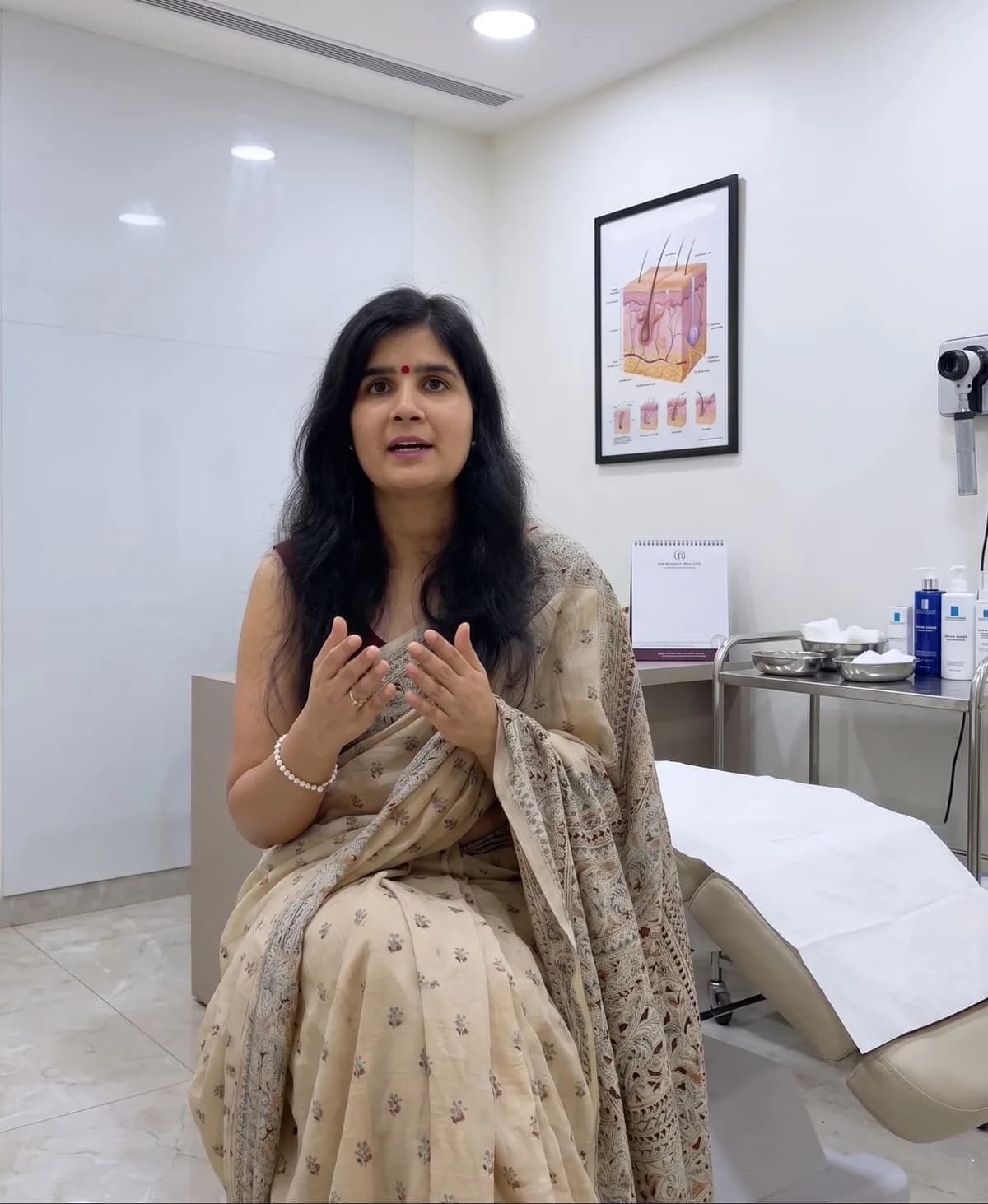
Dr. Neha Shukla
MD (Gold Medalist) · Dermatologist
Medical dermatology and doctor-led aesthetic treatment — acne, hair fall and pigmentation treated as medical problems, not packages.
4.8★1,163 Google reviews
Est. 2010 · Near Atria Mall, Sargasan Circle, Gandhinagar
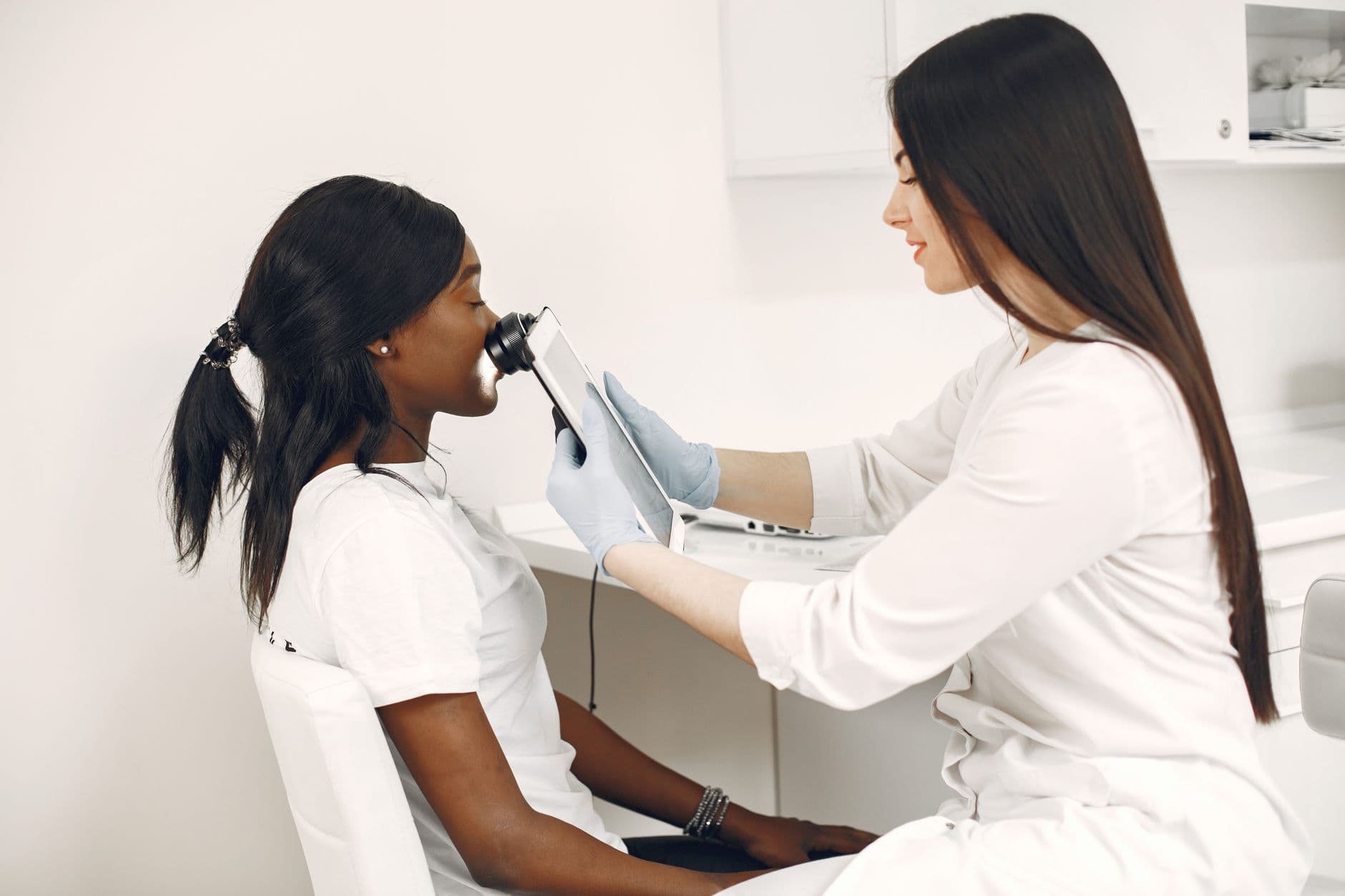
Radiofrequency cautery removes benign, bothersome moles and skin tags in minutes, under local anaesthesia. Every mole is assessed first, and any with atypical features is worked up medically before anything is removed cosmetically.
Mole Removal (RF Cautery) — doctor-administered at the hospital
Radiofrequency cautery uses a fine, heated tip to precisely remove a raised skin lesion and seal the tiny blood vessels as it goes, which is why it is quick, generally bloodless, and heals well in most cases. It suits moles, skin tags and similar small benign growths that are cosmetically bothersome — on the face, neck or body.
This is not treated as a walk-in cosmetic procedure. Before anything is removed, every mole is examined for the features that matter medically: an irregular or blurred border, uneven or multiple colours within the same mole, a diameter that has grown, and any recent change in size, shape, itching or bleeding. Those features matter — mole removal for cosmetic reasons is appropriate only once a mole has been assessed and judged to be unremarkable.
If a mole shows any of those atypical features, it is not removed cosmetically on the spot. It is either sent for biopsy and pathology, or referred for that assessment first, because the priority at that point is diagnosis, not appearance. Only moles confirmed or clinically judged to be benign and stable are treated as a cosmetic removal.
Packages & pricing
Priced by the number of lesions and the session it takes, since this varies with how many moles or tags are being treated and where.
| Area | Course | Price |
|---|---|---|
| Single mole or skin tag | 1 session | On request — ask on WhatsApp |
| Multiple skin tags (up to 5) | 1 session | On request — ask on WhatsApp |
| Multiple skin tags (6 or more) | 1 session | On request — ask on WhatsApp |
| Facial mole — single | 1 session | On request — ask on WhatsApp |
| Multiple moles, mixed sites | Per session | On request — ask on WhatsApp |
Dermatology at this hospital is self-pay. We do not have an insurance facility for skin — neither for aesthetic treatment, which no Indian health policy covers, nor for medical dermatology consultations and courses.
Technology
Suitability
This distinction is the most important part of this page, not a formality attached to it.
The process
Every lesion is examined for the features that matter — border, colour, size, change over time — before removal is even discussed as an option.
The area is numbed. You are awake and comfortable throughout.
The RF cautery tip removes the lesion and seals the area as it goes, usually with minimal bleeding.
A small scab forms and separates on its own over one to two weeks, revealing new skin underneath.
If a lesion was sent for biopsy, results are reviewed with you and any next step discussed.
Aftercare
Next step
Two taps and your message is written. Dr. Neha's team replies with a time — in English, ગુજરાતી, हिन्दी or मराठी.
Book in three taps
1What is it about?
Pick what it's about and we'll write the message for you.
Questions
In English and ગુજરાતી, because the decision gets made in whichever one you think in.
By checking it against the features that matter medically — an irregular or blurred border, uneven colour, recent growth or change in shape, itching or bleeding. A mole that is stable and regular is generally suitable for cosmetic removal. One with any of those features is assessed further, and often biopsied, before any decision about appearance is made.
તબીબી રીતે મહત્ત્વની બાબતો તપાસીને — અનિયમિત અથવા અસ્પષ્ટ કિનારી, અસમાન રંગ, તાજેતરમાં કદ કે આકારમાં ફેરફાર, ખંજવાળ કે લોહી નીકળવું. સ્થિર અને નિયમિત તલ સામાન્ય રીતે કોસ્મેટિક રીતે દૂર કરવા યોગ્ય ગણાય છે. આમાંથી કોઈ પણ લક્ષણ હોય તેવો તલ પહેલાં વધુ તપાસાય છે, ઘણી વખત બાયોપ્સી કરાવાય છે, અને દેખાવ અંગેનો નિર્ણય પછી લેવાય છે.
Usually a very small mark that fades over weeks to months, particularly with sunscreen. Depth and technique are adjusted to keep this minimal, especially on the face, but no removal method is entirely scar-free.
The area is numbed with local anaesthesia beforehand, so the removal itself is not painful. Mild tenderness for a day or so afterwards is normal.
Then it is treated as a medical concern first, not a cosmetic one. The lesion is sampled and sent for pathology, and what happens next depends on the result, discussed with you directly.
Yes, once each has been individually assessed. Multiple stable skin tags or moles are commonly treated in a single session.
Results & reviews
Dr. Neha Shukla holds 4.8★ across 1,163Google reviews. Treatment-specific patient stories for this page are being recorded with patients' written consent — see patient stories.
Skin care
MD (Gold Medalist) · Dermatologist
Medical dermatology and doctor-led aesthetic treatment — acne, hair fall and pigmentation treated as medical problems, not packages.
4.8★1,163 Google reviews
Send us a message describing what you would like treated. Dr. Neha's team will tell you what is realistic, and what it costs.
Near Atria Mall, Sargasan Circle, Gandhinagar · Replies in English, ગુજરાતી, हिन्दी or मराठी
Call 096015 65327, message us on WhatsApp, or get directions to Near Atria Mall, Sargasan Circle.