
Skin care
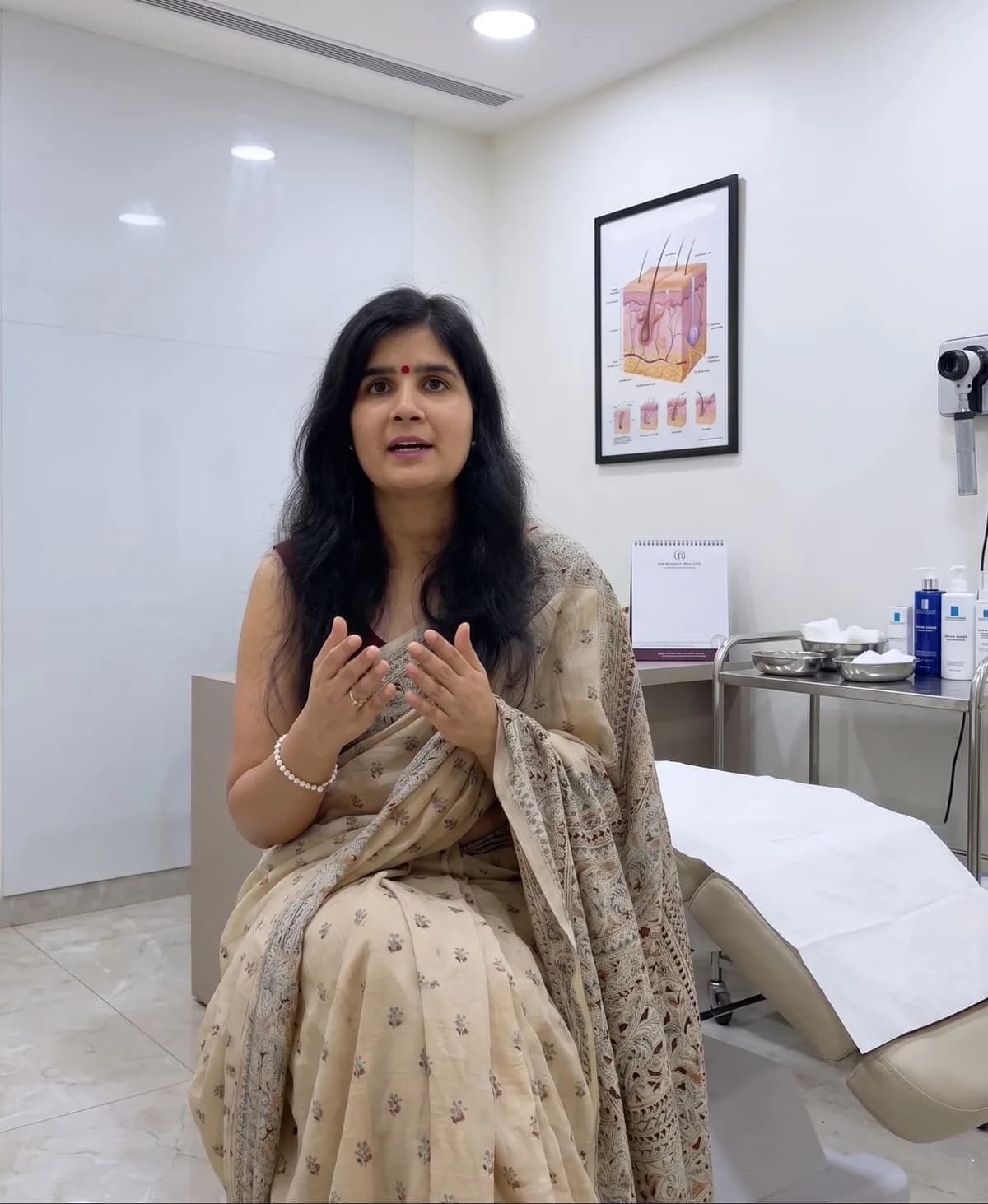
Dr. Neha Shukla
MD (Gold Medalist) · Dermatologist
Medical dermatology and doctor-led aesthetic treatment — acne, hair fall and pigmentation treated as medical problems, not packages.
4.8★1,163 Google reviews
Est. 2010 · Near Atria Mall, Sargasan Circle, Gandhinagar
A hair transplant relocates your own healthy follicles from a donor area to a thinning one. It is real surgery with a real recovery, it does not stop ongoing hair loss, and it is one option assessed case by case — not sold as a cure.
Hair Transplant — doctor-administered at the hospital
A hair transplant takes follicles from a donor area — usually the back and sides of the scalp, where hair is genetically resistant to the pattern-loss process — and relocates them, one by one, to a thinning or balding area. Because those follicles carry their donor-area genetics with them, they generally continue growing in their new location.
It is important to be clear about what this does and does not do. A transplant redistributes existing hair; it does not create new hair, and it does not stop the ongoing miniaturisation of the native hair around the transplanted grafts. Most patients still need sustained medical treatment for their remaining native hair after a transplant — otherwise that hair keeps thinning around the transplanted grafts and the result looks worse over time than it needed to.
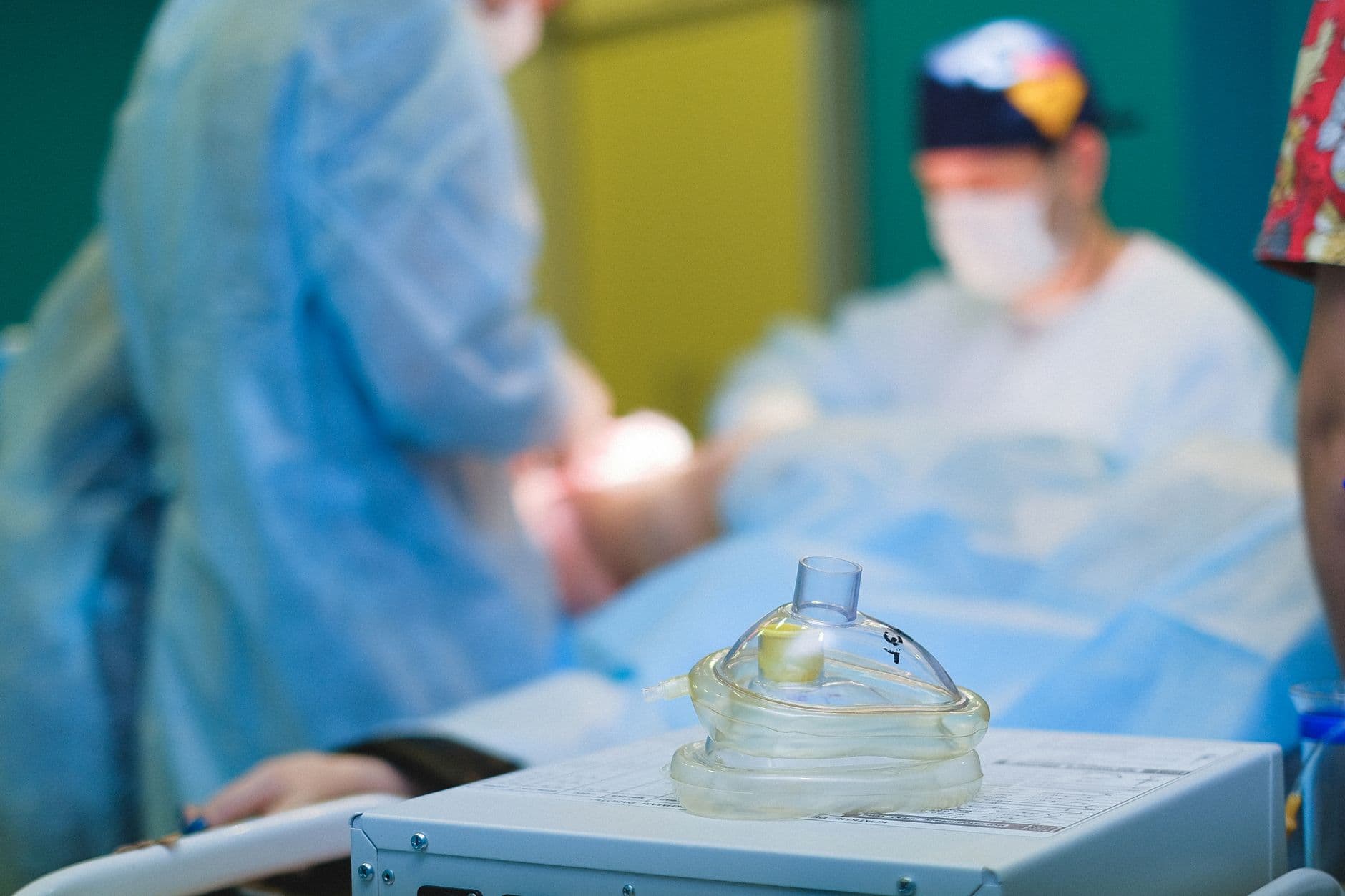
It is also a real surgical procedure, not an in-office top-up. It involves a surgical team, a full day in hospital, local anaesthesia over a large area, and a recovery measured in days to weeks. It is considered here alongside medical treatment and PRP/GFC as one option among several, assessed on your degree of loss, donor supply and expectations — not promoted as the default answer to hair loss.
Dermatology at this hospital is self-pay. We do not have an insurance facility for skin — neither for aesthetic treatment, which no Indian health policy covers, nor for medical dermatology consultations and courses.
Technology
Follicular unit extraction (FUE) is the technique used here — individual follicular units removed one at a time rather than as a strip.
Suitability
Hair loss is diagnosed first. A transplant is discussed when pattern loss is significant and stable enough, and when medical treatment and non-surgical options have been considered and are not, or will not be, enough on their own.
The process
Confirming the cause and stability of your hair loss, assessing donor density, and an honest conversation about how much coverage is realistic — including whether a transplant is the right call at all.
Trimming or shaving of the donor and recipient areas, and planning of the hairline design with you.
Under local anaesthesia, grafts are extracted from the donor area one by one, then placed into the recipient area following the planned design. A surgical team assists throughout.
Swelling, scabbing at graft sites, and some soreness. Transplanted hairs typically shed within a few weeks — this is expected, not failure.
New growth becomes visible from around three to four months, with results assessed at intervals through the first year as density fills in.
Sustained treatment for your remaining native hair continues after the transplant — the transplant does not replace it.
Aftercare
Next step
Two taps and your message is written. Dr. Neha's team replies with a time — in English, ગુજરાતી, हिन्दी or मराठी.
Book in three taps
1What is it about?
Pick what it's about and we'll write the message for you.
Questions
In English and ગુજરાતી, because the decision gets made in whichever one you think in.
No. It relocates existing healthy follicles to a thinning area; it does not stop the ongoing process affecting your remaining native hair. Most patients continue medical treatment afterwards to protect that native hair — without it, the areas around the transplant keep thinning.
ના. તે હાલના તંદુરસ્ત ફોલિકલ્સને પાતળા વિસ્તારમાં ખસેડે છે; તે તમારા બાકીના કુદરતી વાળ પર ચાલી રહેલી પ્રક્રિયાને રોકતું નથી. મોટા ભાગના દર્દીઓ પછી પણ એ કુદરતી વાળનું રક્ષણ કરવા મેડિકલ સારવાર ચાલુ રાખે છે — તેના વગર ટ્રાન્સપ્લાન્ટની આસપાસના વિસ્તારો પાતળા થતા રહે છે.
No — it is real surgery. Expect a full procedure day, local anaesthesia over a large area, a surgical team, and a genuine recovery period of days to weeks. It should not be presented, here or anywhere, as a quick lunchtime fix.
Transplanted hairs typically shed within a few weeks, then new growth appears from around three to four months, with density continuing to fill in over the following year. There is no shortcut to that timeline.
Only once your hair loss has been properly diagnosed and assessed as stable pattern loss with adequate donor supply. Active shedding, certain scarring conditions, or too limited a donor area can mean a transplant is not the right answer, or not yet.
Usually yes, for the hair that was not transplanted. The transplant addresses coverage where hair was lost; it does not protect the native hair still going through the pattern-loss process.
Results & reviews
Dr. Neha Shukla holds 4.8★ across 1,163Google reviews. Treatment-specific patient stories for this page are being recorded with patients' written consent — see patient stories.
Skin care
MD (Gold Medalist) · Dermatologist
Medical dermatology and doctor-led aesthetic treatment — acne, hair fall and pigmentation treated as medical problems, not packages.
4.8★1,163 Google reviews
Send us a message describing what you would like treated. Dr. Neha's team will tell you what is realistic, and what it costs.
Near Atria Mall, Sargasan Circle, Gandhinagar · Replies in English, ગુજરાતી, हिन्दी or मराठी
Call 096015 65327, message us on WhatsApp, or get directions to Near Atria Mall, Sargasan Circle.